GEO in Medical Tourism: Becoming an AI Source
AI-assisted draft; it is read in full before publication and claims are checked against primary sources. Our content process
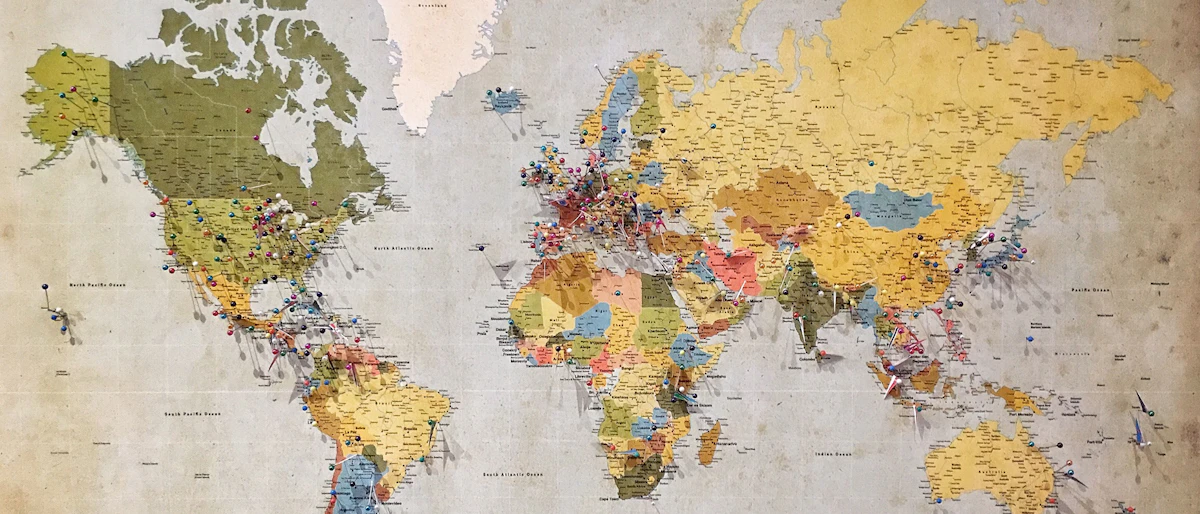
A patient living in London does not start the journey to a Turkish clinic at a search box. It usually opens in a chat window, with a broad, slightly uneasy question: "How do I decide on a clinic in Turkey, what should I look at?" The question is typed in English, German or Arabic; the model answering it scans Turkish, English and sometimes a third language at once. The patient is not choosing a clinic yet — they are learning which questions to ask, what is reasonable and what is suspect, and who speaks with what authority.
The real threshold of the decision is built here. Which side of it your clinic name falls on is decided not by keyword counts, but by whether the information describing you can be read by a machine and summarised with confidence. This article sets out how a clinic or hospital in medical tourism becomes citable in AI search engines. It carries no treatment advice, no success claim and no promise of patients; its subject is not medicine but visibility infrastructure.
In medical tourism the question is not a medical one, it is a trust question
Read the queries coming from abroad and what repeats is not clinical curiosity but a need for verification. "Is this clinic actually licensed", "which field is the doctor specialised in", "who will interpret", "who do I reach once I am home", "how does payment work". None is a medical question; all are about corporate identity, authorisation and process.
For an AI engine to recommend you, describing the treatment is not enough — you have to describe the institution. Putting a clinic into an answer, a model wants mutually confirming sources on who it is, where it is, under what permit it works and how it talks to patients. Your treatment pages may be well written; if your corporate identity is scattered, you are not safe answer material, and a better-defined institution gets named.
So the first job in medical tourism content is not enriching the treatment narrative but settling the corporate facts into one consistent source: legal name, address, licence and authorisation details, clinical roster, contact channels, opening hours, languages spoken. Site, map listing and directories have to agree. The consistency principle in the difference between local SEO and GEO bites far harder in healthcare: a contradictory address record is not a ranking problem here but a loss of credibility.
Multilingual visibility: why translating the same content is not enough
The most common mistake in medical tourism is machine-translating the Turkish pages and stacking them under the same structure. This fails on two levels.
The first is technical. If language versions are not tied together with hreflang, search systems cannot tell which to show to whom; the versions look like copies. Each language needs its own permanent URL, reciprocal hreflang links and its own canonical tag; Google's localized versions documentation asks each language version to list itself as well as all other language versions. If the language choice lives only in browser storage and the URL never changes, that language does not exist for a crawler.
The second is context, and this decides things. A query from Germany and one from the Gulf states do not build the same sentences. One asks about insurance coverage and invoice format, the other about companion arrangements and length of stay. One measures distance in kilometres, the other in flight hours. Is an amount understood in euros, pounds or dollars? How long is the airport-to-clinic trip? Those answers belong natively on the page in that language, not squeezed in as a footnote inside a translated text.
The practical test: if you cannot rebuild a page in a language so it answers the five questions a patient from that country genuinely asks, it is not multilingual yet, only translated.
Separate URL structures, hreflang setup and the translation-versus-localisation difference are covered technically in the multilingual GEO guide.
YMYL content and E-E-A-T: the evidence threshold is high in healthcare
Health, money and legal content sit in a separate class for search systems. Because wrong information costs a great deal, who the source is matters as much as what the text says. AI engines are equally cautious: an institution whose identity is not verifiable does not make the answer.
Concrete ways to make the evidence visible:
- Clinician identity belongs at page level. Not "our expert team" under a treatment page, but a clinician profile defined by name, specialisation, graduation, memberships and publications where they exist — and a link to it.
- Medical review should be on the record. Who wrote the text, which clinician reviewed it and when it was last updated belong on the page. Those three are the strongest single trust signal in health content.
- Authorisation documents should be stated openly. In Turkey, international health tourism activity is subject to an authorisation framework set by the Sağlık Bakanlığı (the Ministry of Health); the authorisation status of the organisation and of any intermediary, its licence details and legal name should be accessible on the site.
- The regulatory limit stays inside the work. Promotion of health services in Turkey is not a free advertising space; the Health Services Promotion and Information Regulation (Official Gazette, 12/11/2025) prohibits misleading or self-promoting publicity, advertising-style patient testimonials and price announcements in domestic promotion, ties the use of patient imagery to conditions starting with explicit consent, and sets separate rules for international health tourism that apply only to authorised organisations. GEO is done inside that limit: what is published is verifiable information, not a claim.
That last item looks like a constraint but works as an advantage. An exaggerated claim is what models discard most easily; measured writing that shows its basis is the most quotable. The article on schema and E-E-A-T in AI search details the technical counterpart.
Making price, package and logistics information machine-readable
The second half of the patient journey is mostly operational questions: process steps, days to stay, companion arrangements, transfer, interpreter, follow-up appointment, payment and refund conditions, contact after returning home. Buried in prose, a model can summarise this but cannot be certain of it. As structured data it becomes directly quotable.
Four layers work in practice:
- Institution layer.
MedicalClinicorHospitalschema; legal name, address, geographic location, phone, email, opening hours and languages spoken viaavailableLanguage. - Person layer.
Physicianschema per clinician; specialisation, affiliated institution and the profile page's own URL. - Service layer.
MedicalProcedureorServicefor the services offered; steps and scope of the process. Fill the price field only if there genuinely is published, current information with conditions written out. An unpublished amount written into the schema is the fastest way to lose trust when it does not hold. - Question layer. Turn recurring process questions into FAQ blocks, and technically into
FAQPagemarkup. Each answer must stand alone, because the model quotes it stripped of context.
The markup must match the visible text exactly. Opening hours differing between schema and contact page is not just a technical error but a contradiction weakening your claim to be verifiable. The clinic-side application is detailed in our GEO guide for dental clinics.
Reviews, patient experience and verifiable references
A patient coming from abroad does not lean on what the clinic writes about itself; they look for outside confirmation. AI engines work similarly and want information about an institution in more than one independent source.
The critical distinction is that the reference has to be verifiable. Satisfaction lines of unclear origin, or rewritten patient stories, are risky in regulatory terms and have no counterpart on the model side either. The signals that count: genuine records on independent platforms, professional body and association memberships, publication or speaking records for clinicians, accreditation and certification details, verifiable news naming you.
To describe patient experience, describe the process rather than a clinical outcome: which steps run from first contact, who communicates in which language, which documents are prepared, how follow-up works after the return. A process narrative stays inside the regulatory limit and, answering what patients actually ask, is likely to be quoted.
Order of work: a 90-day priority list
Rather than finishing this in one pass, start from the highest-return step.
First 30 days — basic accuracy. Settle the corporate facts into a single source: legal name, address, phone, email, authorisation and licence details, clinician list. Clear contradictions between site, map listing and directories. Make the contact page readable even if a crawler runs no JavaScript; an obfuscated email, or one hidden inside a form, is invisible to the model.
Days 31-60 — language and evidence. Pick two priority target markets and build pages in those languages with their own URLs, hreflang-linked and written natively. Open a profile page per clinician; add author, reviewing clinician and update date to every piece of medical content. Do the regulatory check here, not at the end.
Days 61-90 — structure and measurement. Put the schema layers live, convert process questions into FAQ blocks, and test brand-name queries in AI interfaces at regular intervals: is your name mentioned, with what information, is a wrong detail repeated. Keep a record; in GEO, progress is measured with it.
For this sequence in a broader frame, building a GEO strategy step by step is a good starting point. To discuss which step comes first for your organisation, you can reach us.
We gathered the preparation on the institutional side point by point on our medical tourism solution page.
Frequently Asked Questions
What is the difference between GEO and classic SEO in medical tourism?
Classic SEO aims for a position on a search results page and measures the click. GEO aims to be cited as a source inside the answer chat-based interfaces produce. In medical tourism the difference is pronounced, because the patient wants an evaluation framework, not a list. That makes machine-readable corporate identity, authorisation details and process specifics more decisive than keyword density.
Is translating the pages enough for patients from abroad?
It is not. Unless translation is backed technically by separate URLs and reciprocal hreflang links, search systems cannot tell the versions apart. More importantly, every market has its own question patterns: insurance and invoicing, companions and accommodation, currency, flight time. That context cannot be a footnote inside a translated text; it has to be written natively, inside the page in that language.
Does health promotion regulation block GEO work?
It does not block it, it frames it. Promotion of health services in Turkey is not a free advertising space; demand-generating statements, success and guarantee claims, and presentations based on patient imagery are restricted by regulation. GEO does not rest on that kind of claim anyway. Verifiable corporate information, clinician identity, process description and structured data stay inside the limit and are what models quote most readily.
Should I publish price information on the site?
This is a commercial decision, not a technical requirement. If you publish, the information has to be current, its scope written out clearly, and identical in the page text and the structured data. An unpublished amount, or one that changes often, written into the schema is the fastest way to lose trust the moment the patient sees the gap. If you will not give a price, explain what the scope covers and how a quote is obtained.
How do I measure whether I am visible in AI engines?
There is no ranking dashboard, so measurement is set up by hand. Prepare a list of questions in your target markets' languages, phrased the way a patient genuinely would, and put them to different AI interfaces at regular intervals. Each time record: was your organisation named, with what information, was it correct, which source was cited. Over time that record becomes the only concrete data on whether the work pays off.